
The 1.5 Generation: Caught Between Two Worlds
Vietnam War Refugees and the 1.5 Generation
The Vietnam War (1955–1975) led to one of the largest refugee crises in modern history. As the war ended with the fall of Saigon in 1975, hundreds of thousands of Vietnamese fled the country, fearing persecution under the new communist government. Many left by boat, enduring dangerous journeys across the South China Sea, while others escaped through land routes into neighboring countries. These refugees, known as the "boat people," faced overcrowded camps, piracy, and starvation before reaching resettlement destinations.
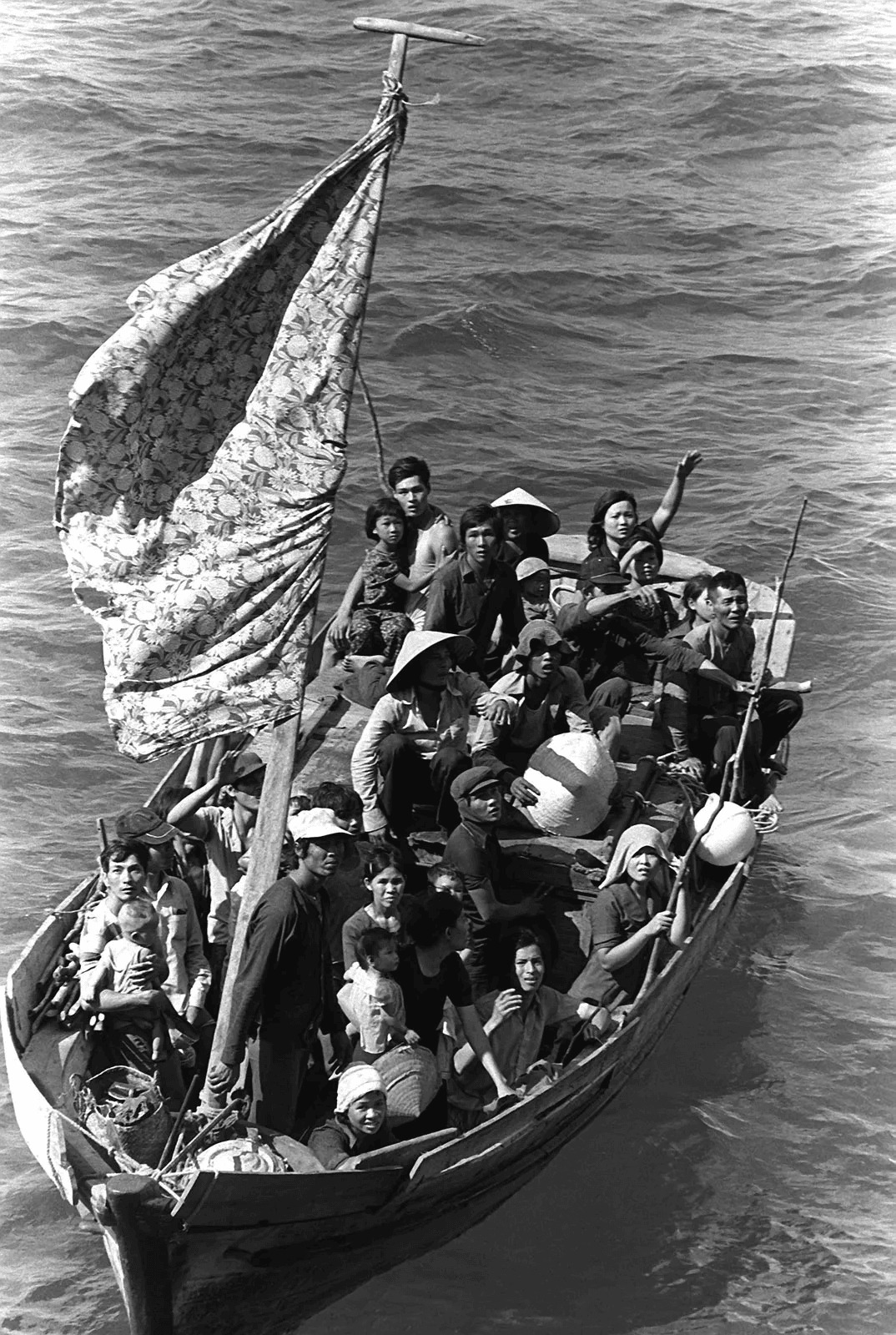
Where Did Vietnamese Refugees Go?
Initially, the United States, Canada, Australia, and France took in large numbers of Vietnamese refugees. The U.S. led international resettlement efforts, receiving over 120,000 Vietnamese in the immediate aftermath of the war and hundreds of thousands more in the following decades. Many were placed in refugee camps before being sponsored by American families, religious groups, and community organizations.
Other Southeast Asian countries, including Malaysia, Indonesia, Thailand, and the Philippines, served as temporary holding sites, though they were often reluctant to accept long-term refugee populations. Hong Kong also took in a significant number of Vietnamese refugees before eventually repatriating many. European nations such as the United Kingdom, Germany, and Sweden accepted smaller groups, often prioritizing those with existing ties to their countries.
The 1.5 Generation in the United States
Among the Vietnamese refugees who arrived in the U.S., a distinct group known as the 1.5 generation emerged. These individuals were born in Vietnam but immigrated as children or adolescents, growing up between two cultures. Unlike first-generation immigrants, who arrived as adults, or second-generation individuals, who were born in the U.S., the 1.5 generation experienced a unique balancing act of cultural adaptation.
Many 1.5 generation Vietnamese Americans faced challenges adjusting to a new language and way of life while also maintaining connections to their heritage. They often took on responsibilities beyond their years, acting as translators for their parents and navigating American institutions on behalf of their families.
Over time, the 1.5 generation became a bridge between the older and younger Vietnamese American communities. Their experiences helped shape the identity of Vietnamese Americans today, contributing to the rich cultural and economic landscape of the U.S. From politics to business and the arts, they have played a crucial role in shaping the Vietnamese diaspora’s success story.

The interview
The DVP interview follows the life of Lai Maccarone, a refugee from Da Nang, Vietnam, who fled with her family in 1975 when she was just a few months old. In her interview, Lai reflects on her family dynamics and her identity as a Vietnamese-American. As members of the 1.5 generation, Lai and others who arrived in the U.S. at a young age adapted more easily than older refugees to a new culture but often felt different from those around them. Many are still working to make sense of the traumatic events they experienced.
This exhibit explores Lai’s life as a 1.5-generation Vietnamese immigrant alongside the stories of others from Sucheng Chan’s anthology, The Vietnamese American 1.5 Generation: Stories of War, Revolution, Flight and New Beginnings, highlighting a diversity of cultural practices, identities, and family structures.
Exhibit Navigation
Introductory Pages
1.5 Generation Vietnamese Refugee Narratives