
Chapter 12
Early Life and the Move to Rural Vietnam
The narrator grew up with her father working as a security guard at the American consulate. As a child, she was mesmerized by the luxurious showers and comfortable beds inside the consulate—amenities far beyond what her simple home provided.
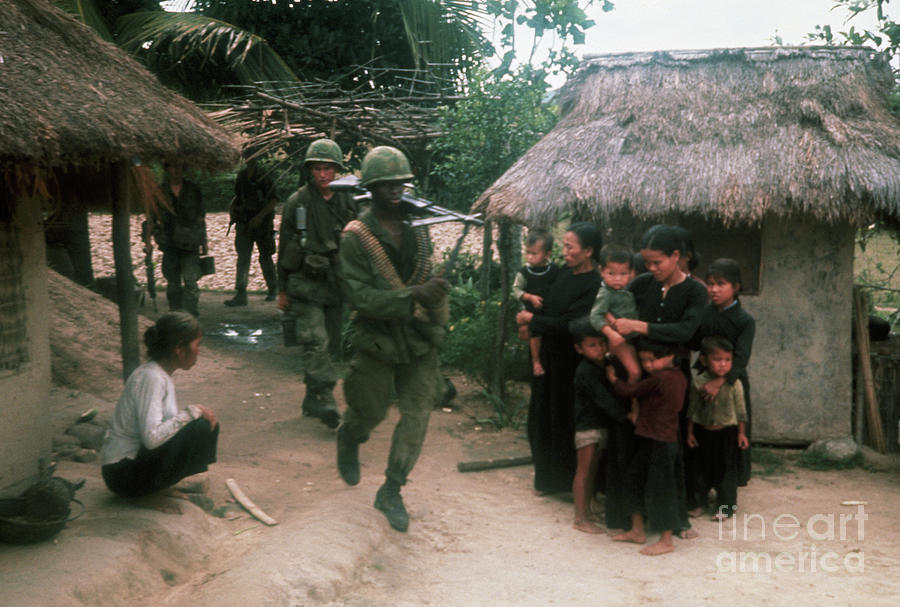
Later in the narrator's childhood, her family moved to a rural area of Vietnam, encouraged by government incentives offering vast land to settlers. The government believed that increasing the population in rural regions would make it more difficult for the Viet Cong to seize control. However, their new home was located dangerously close to Viet Cong forces. Their fears became reality when their house was struck by bullets, forcing them to move deeper into the village.
Faith and the Decision to Escape
As devout Catholics, the narrator's family placed great importance on their religion. In April 1975, when a neighboring town fell to the Viet Cong and their own village was at risk, they knew they had no choice but to flee. The escape was perilous, but her young age shielded her from fully grasping the horrors around her. Her older brother, however, chose to stay behind and fight—an act that ultimately cost him his life.
The narrator's mother was devastated upon hearing of her son's death, just moments before they set sail. Her father, determined to protect the rest of his family, secured passage to Saigon. Due to his position with an American agency, they were able to escape by air. From Saigon, they traveled to the Philippines, then Guam, and eventually reached Camp Pendleton in California.
Adjusting to Life in the U.S.
While the narrator's parents and older siblings mourned their lost home and struggled with the weight of their past, she and her younger siblings found life in Camp Pendleton to be an adventure. To her, it felt more like a summer camp, where she played with other children. But for the adults, the camp was a painful reminder of all they had left behind.
Eventually, the narrator's family was sponsored by a Catholic community in a small town in Oregon. Although they were comforted by their shared faith, adjusting to American life was difficult. Besides her father and older sister, no one in the family spoke English. They felt lost—unsure of what to eat, how to use American appliances, or even how to properly use electricity. Over time, however, they began to appreciate the conveniences and opportunities the U.S. had to offer.
Holding Onto Vietnamese Traditions
Despite their new surroundings, the narrator's family remained deeply connected to their Vietnamese roots. They combined traditions, lighting Vietnamese lanterns while also decorating a Christmas tree. The local community welcomed their culture with curiosity and acceptance.
While the narrator gradually became more fluent in English, she struggled with feelings of isolation. As one of the only Asian students in her school, she felt like an outsider and remained incredibly shy. Making friends was difficult at first, but she slowly became more comfortable, attending birthday parties and embracing aspects of American culture.
Eventually, more Vietnamese refugees arrived in their town, forming a close-knit community centered around their shared heritage and religion. This connection provided the narrator's family with a sense of belonging and stability.
A Lasting Vietnamese-American Identity
Later, the narrator's family relocated to California to reunite with extended relatives. Though she and her siblings have since grown up and followed their own paths, family remains central to her life. Their home continues to be filled with vivid Vietnamese traditions, keeping their culture alive.
The narrator's story highlights how youth and curiosity helped her adapt to a new country while maintaining a strong connection to her heritage. Unlike many refugees who lost close family members, she arrived in the U.S. with most of her loved ones still together. This support system allowed her to preserve her Vietnamese identity while embracing her new life as a Vietnamese American.