
Tet Perspective: Mr. William Donahue
William Donahue, known as Bill, entered active duty in January 1967 when he attended Officer Candidate School. He began his time in Vietnam as an Operations Officer in the 2nd Battalion, 1st Marines in the Quang Tri province at Con Thien. This American base was perched atop a hill. It had enough altitude that soldiers could see into North Vietnam and Laos, providing a critical advantage.
Mr. Donahue was at a leadership camp in Da Nang when the Tet Offensive began. He was not entirely caught off guard by the attack: the North Vietnamese hadn’t traditionally rested over holidays. He explained that although there was a ceasefire during Christmas, the North Vietnamese used this time to bring ammunition south, preparing for an attack the next day.
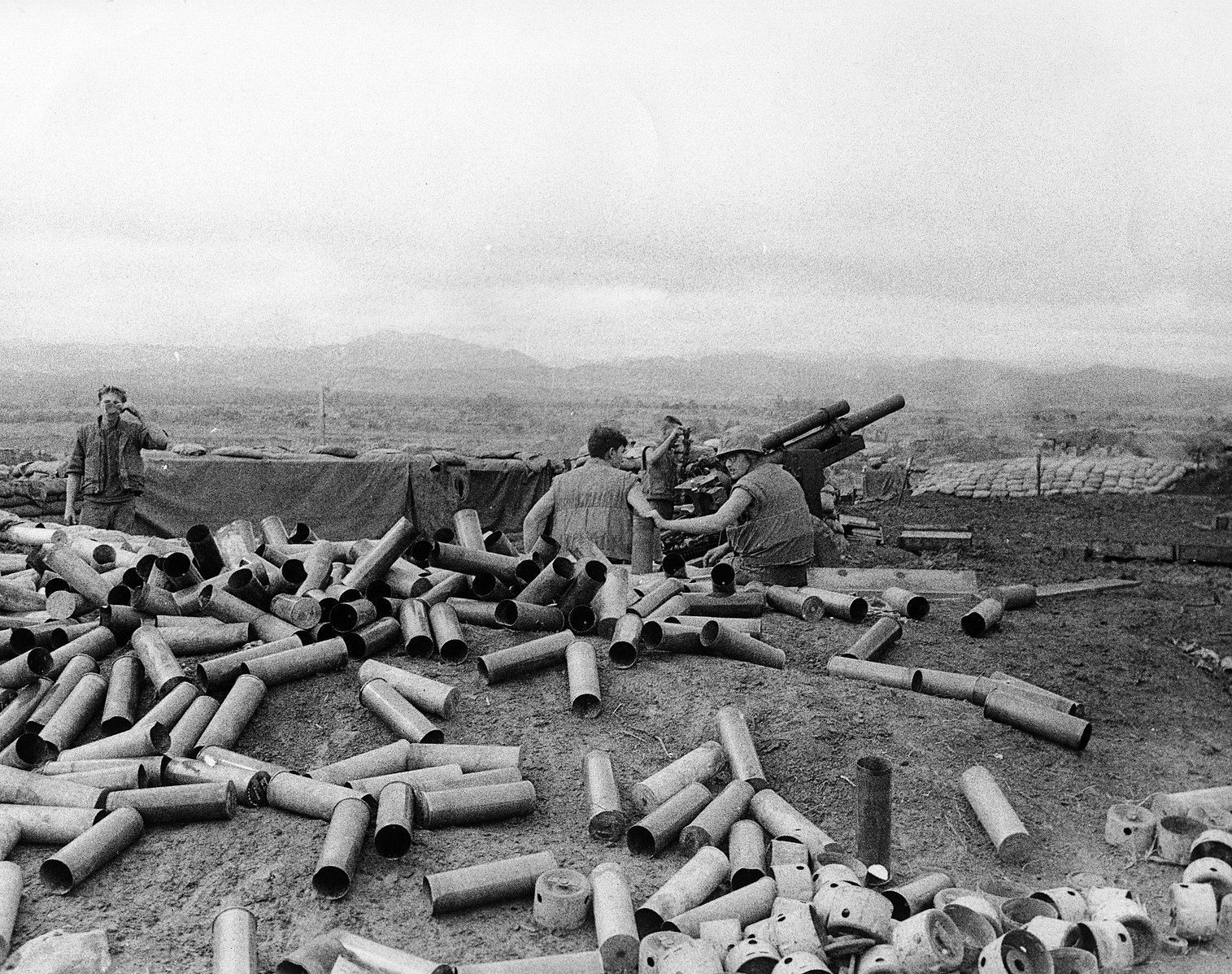
Mr. Donahue and the other officers at the camp were ordered to go into foxholes with guns in case the attack reached them. This was when Donahue realized that this offensive was different from others. He recalls:
“it felt like it was not just a guerilla war anymore."1
Donahue traveled to Con Thien as soon as possible to help the rest of his platoon fight. The Viet Cong didn’t take over Con Thien, but there was fighting nearby in Leatherneck Square. Donahue was soon transferred to the Military Police in Da Nang, and later at Phu Bai. As a military policeman, his primary job was to keep the Viet Cong off of Highway 1, the only road that connected North and South Vietnam.
When Donahue left Vietnam, he continued his service as a trainer at Camp Geiger in North Carolina. His final assignment was five months in Guantanamo Bay, Cuba. After arriving back home, Donahue finally learned of the American public’s reaction to the Tet Offensive. He describes being unaware of how gruesome the offensive was and how Americans perceived it. During the time, he was just trying to keep himself and his men alive.
Donahue’s experience supports Moïse’s argument that the Tet Offensive was not like the Battle of the Bulge. The Nazis presented a rash, unplanned effort at the Battle of the Bulge, yet the Viet Cong's effort was precisely organized. In order to successfully pull off an attack over an assumed mutual break in fighting, the Viet Cong displayed covert and clever planning.
1William Donahue, interview by Dani Halperin, Dartmouth Vietnam Project, February 11, 2025.